The Who
The Legacy
Loud, violent, and fiercely intellectual, The Who represented the explosive, mod-fueled underbelly of 1960s London. Comprising Roger Daltrey, Pete Townshend, John Entwistle, and Keith Moon, they were the absolute antithesis of the 'peace and love' movement. Townshend wrote songs fueled by teenage alienation and frustration, while the band performed them with a terrifying, destructive intensity.
They pioneered the art of auto-destructive art in rock, famously smashing their instruments to pieces at the climax of their shows—a chaotic ritual that nearly bankrupted them in their early years. Unlike traditional rock bands where the bass and drums play a supportive role, The Who operated differently. Entwistle played lead bass, Moon played lead drums, Townshend held down the rhythm while windmilling his guitar, and Daltrey swung his microphone like a lasso, belting over the absolute sonic chaos.
Townshend’s ambitions quickly outgrew the standard three-minute pop single. He began composing expansive, narrative-driven works, essentially inventing the 'Rock Opera'. This ambition was fully realized with 'Tommy' in 1969, a sprawling masterpiece about a 'deaf, dumb, and blind kid' that brought unprecedented intellectual rigor to hard rock.
They followed this with 'Quadrophenia', a deeply personal exploration of mod culture and adolescent schizophrenia. However, their blistering live energy and punishing touring schedule exacted a heavy toll. Keith Moon's off-stage antics—ranging from driving cars into swimming pools to blowing up toilets with cherry bombs—escalated into profound substance abuse.
Despite the tragic loss of Moon in 1978, and Entwistle in 2002, The Who's legacy as the godfathers of punk and stadium rock remains utterly untouchable.
The Awakening
When The Who first emerged from London, England in 1964, the musical landscape was entirely unprepared for the sheer velocity of their sound. Critics were often polarized, struggling to categorize a phenomenon that refused to fit into established industry templates. Yet, the underground scene immediately recognized a paradigm shift.
Studio Mastery
The studio sessions defined an era. What The Who accomplished behind the mixing desk was nothing short of alchemy. They pushed analog equipment to its absolute breaking point, embracing distortion and tape saturation not as errors, but as fundamental instruments of their sonic arsenal.
The Live Experience
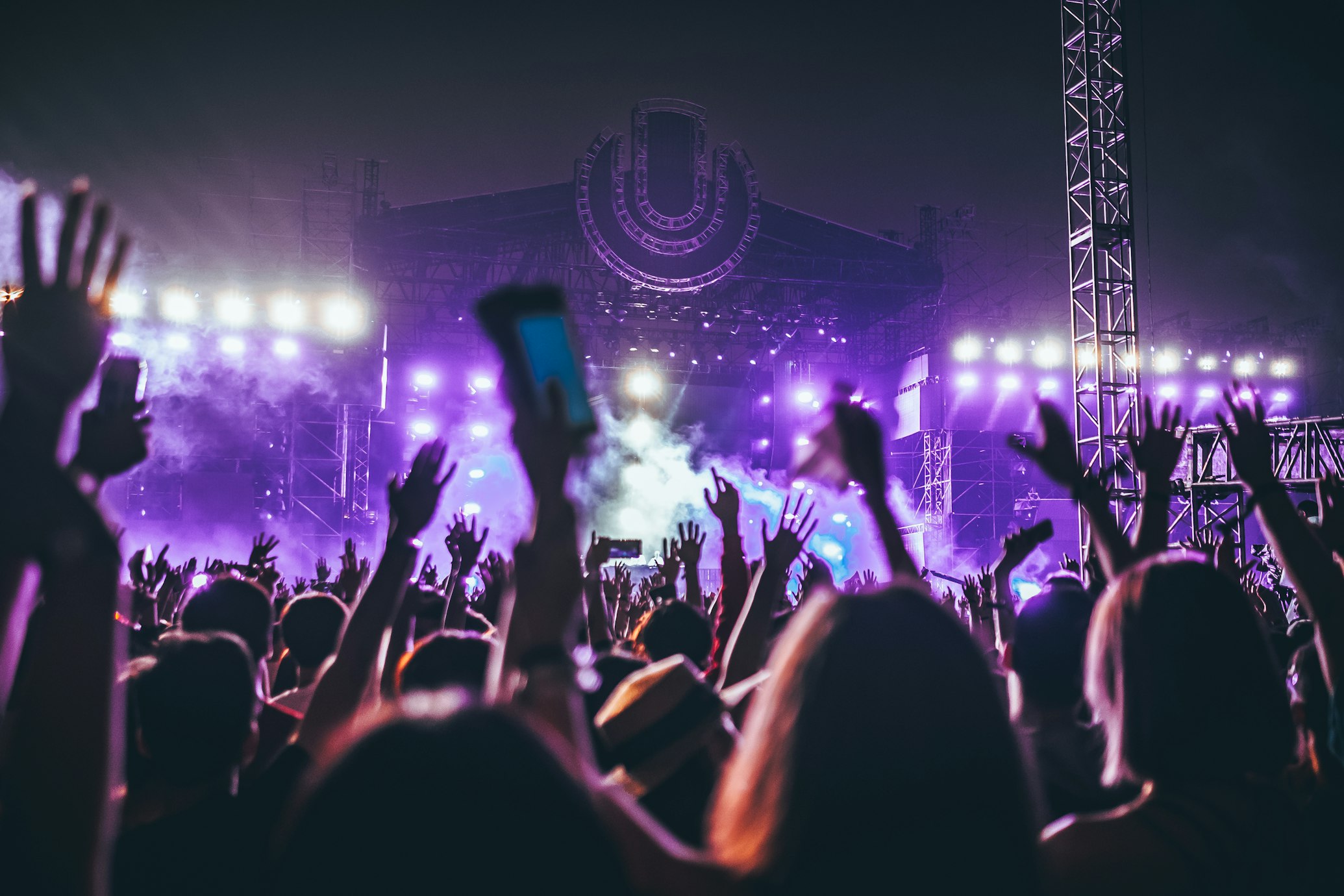
Live performances became mythic events. To see The Who on stage was to witness an exorcism of sound. The sheer volume and unyielding energy translated into a communal, almost religious experience for the audience, cementing their reputation as a live juggernaut that contemporaries feared following.
Cultural Impact
Even decades later, the aesthetic and attitude established by The Who remain a blueprint for rebellion. They didn't just write songs; they constructed a lifestyle. The way they carried themselves, their refusal to compromise with mainstream press, and their fierce independence became the gold standard for every authentic act that followed.
"The music industry didn't just change. It was violently dragged into a new era by their sheer, uncompromising volume. They were not a band; they were an absolute force of nature." — London Underground Archive
Enduring Legacy
Looking back at the trajectory of The Who, it is impossible to separate the myth from the music. The stories of excess, the legendary grueling tours, and the uncompromising dedication to their craft all coalesce into a historical document of an era that burned with a terrifying, brilliant intensity.
The Personnel
The architects behind the sound:
- Roger Daltrey – Lead Vocals (1964–present)
- Pete Townshend – Guitars, Vocals, Primary Songwriter (1964–present)
- John Entwistle – Bass, Brass, Vocals (1964–2002)
- Keith Moon – Drums (1964–1978)
Essential Discography
The definitive cuts:
- Archival scanning in progress.
Archivist Notes: The Who
Verified Literature
Our archivists are currently acquiring literature for this artist.